


Managing Anxiety and Nervous System Health During Soccer Season

Soccer season brings excitement, competition, and physical challenges. Yet, it also introduces stress and anxiety that can affect an athlete’s performance and overall well-being. Managing anxiety and supporting nervous system health are essential for athletes to stay focused, recover well, and perform at their best throughout the season.
This post explores practical ways soccer players can care for their mental and nervous system health during the demanding months of training and matches. Whether you play in a local league or compete regionally, these strategies can help you maintain balance and resilience.
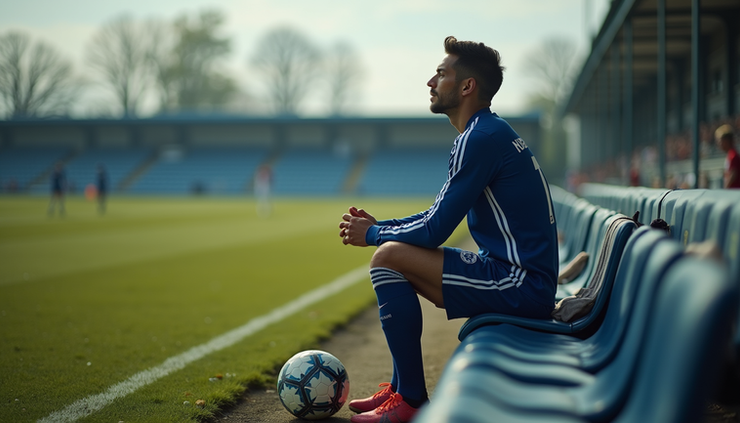
Understanding Anxiety and the Nervous System in Athletes
Anxiety is a natural response to pressure, but when it becomes overwhelming, it can impair concentration, decision-making, and physical coordination. The nervous system controls how the body reacts to stress, coordinating signals between the brain and muscles.
During soccer season, athletes face physical demands and mental pressures such as competition anxiety, fear of injury, and performance expectations. These factors activate the sympathetic nervous system, triggering the "fight or flight" response. While this can boost alertness temporarily, prolonged activation leads to fatigue, muscle tension, and reduced recovery.
Supporting the nervous system means helping it return to a calm, balanced state after stress. This balance allows athletes to recover faster, maintain focus, and reduce anxiety symptoms.
Signs of Anxiety and Nervous System Overload in Soccer Players
Recognizing when anxiety or nervous system strain affects performance is crucial. Common signs include:
Difficulty concentrating during games or practice
Increased muscle tightness or cramps
Trouble sleeping or feeling restless at night
Irritability or mood swings
Feeling overwhelmed by pressure or expectations
Physical symptoms like headaches or stomach discomfort
If these signs persist, athletes should take steps to manage stress and support their nervous system health.
Practical Strategies to Manage Anxiety During Soccer Season
1. Develop a Pre-Game Routine
A consistent pre-game routine helps calm nerves and prepare the mind. This might include:
Controlled breathing exercises to slow heart rate
Visualization of successful plays or positive outcomes
Listening to calming or motivating music
Light stretching to release muscle tension
Having a routine creates a sense of control and reduces uncertainty before matches.
2. Prioritize Quality Sleep
Sleep is vital for nervous system recovery and anxiety reduction. Athletes should aim for 7 to 9 hours of sleep per night, focusing on:
Maintaining a regular sleep schedule, even on weekends
Creating a dark, quiet, and cool sleeping environment
Avoiding screens and caffeine close to bedtime
Good sleep supports memory, reaction time, and emotional regulation.
3. Practice Mindfulness and Meditation
Mindfulness techniques help athletes stay present and reduce anxiety. Simple practices include:
Focusing on the breath for a few minutes daily
Body scans to notice and release tension
Mindful walking or stretching
These exercises train the nervous system to shift from stress to relaxation.
4. Maintain Balanced Nutrition and Hydration
Proper nutrition fuels the nervous system and stabilizes mood. Key tips include:
Eating regular meals with complex carbohydrates, lean proteins, and healthy fats
Including foods rich in magnesium and B vitamins, which support nerve function
Staying hydrated before, during, and after training or games
Avoiding excessive sugar and processed foods can prevent energy crashes and irritability.
5. Schedule Rest and Recovery Days
Overtraining increases anxiety and nervous system strain. Incorporate rest days with:
Light activities like walking or yoga
Massage or foam rolling to ease muscle tension
Relaxation techniques such as warm baths or listening to calming music
Rest allows the nervous system to reset and muscles to repair.
Supporting Nervous System Health with Physical Therapies
Deep Breathing and Diaphragmatic Exercises
Breathing deeply activates the parasympathetic nervous system, promoting relaxation. Athletes can practice:
Inhaling slowly through the nose for 4 seconds
Holding the breath for 4 seconds
Exhaling slowly through the mouth for 6 seconds
Repeating this cycle several times reduces heart rate and calms anxiety.
Progressive Muscle Relaxation
This technique involves tensing and relaxing muscle groups to release physical tension and improve body awareness. It can be done in 10-15 minutes daily or before bedtime.
Gentle Movement and Stretching
Incorporating gentle stretching or yoga helps reduce nervous system excitability and improves flexibility. Focus on areas prone to tightness like the neck, shoulders, and lower back.
Building Mental Resilience for the Season
Mental resilience helps athletes handle pressure and bounce back from setbacks. Ways to build resilience include:
Setting realistic goals for improvement, not just winning
Keeping a journal to track progress and emotions
Seeking support from coaches, teammates, or sports psychologists
Learning from mistakes instead of dwelling on them
Resilience reduces anxiety by shifting focus from fear to growth.
When to Seek Professional Help
If anxiety or nervous system symptoms interfere significantly with daily life or performance, consulting a healthcare professional is important. Sports psychologists, counselors, or medical providers can offer tailored strategies and support.
Managing anxiety and nervous system health during soccer season requires attention to both mind and body. By adopting routines that promote relaxation, prioritizing sleep and nutrition, and building mental resilience, athletes can improve their performance and enjoy the game more fully.



Comentarios